Lighting in Film Production Guide

CONTACT ME IMMEDIATELY IF YOU ENCOUNTER PROBLEMS!


lighting in film production

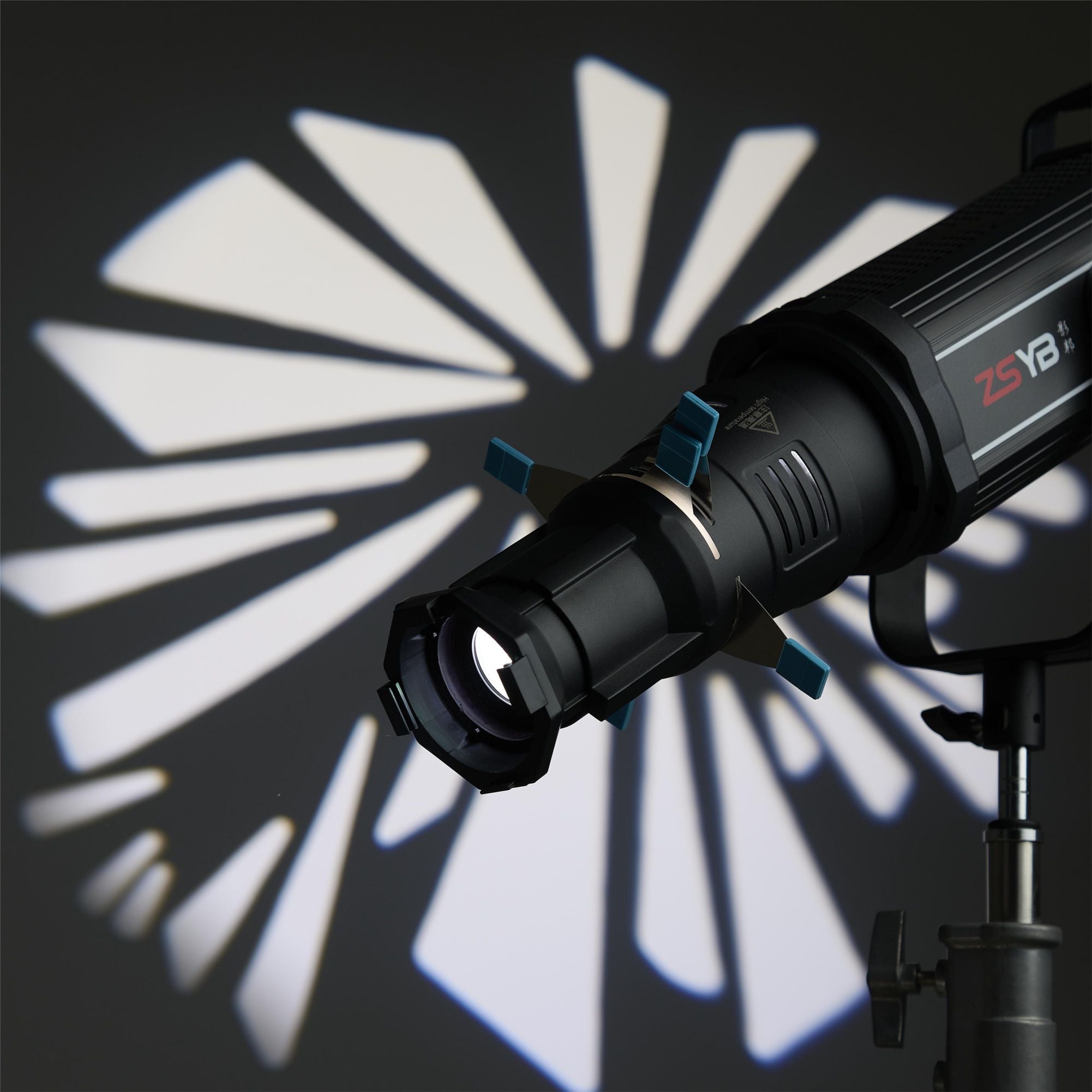
Lighting in film production represents a fundamental pillar of cinematic storytelling, serving multiple critical functions that transform visual narratives into compelling visual experiences. The primary purpose of lighting in film production involves establishing mood, directing viewer attention, and revealing the three-dimensional form of subjects within the frame. Professional lighting in film production combines artistic vision with technical precision to create visually stunning scenes that enhance narrative depth. Technologically, modern lighting in film production employs diverse equipment ranging from traditional tungsten lights to cutting-edge LED systems. These tools offer filmmakers unprecedented control over color temperature, intensity, and distribution patterns. Advanced lighting in film production technology includes intelligent dimming capabilities, wireless control systems, and energy-efficient options that reduce production costs and environmental impact. The applications of lighting in film production extend across numerous genres and production scales. Whether creating intimate dialogue scenes, dramatic action sequences, or expansive landscape shots, lighting in film production adapts to diverse creative requirements. Professional cinematographers utilize strategic lighting in film production placement to establish depth, create texture, and enhance storytelling impact. From television commercials to feature films, documentaries to music videos, lighting in film production remains indispensable for achieving professional quality results. Understanding the nuances of lighting in film production empowers creative teams to maximize visual potential and deliver productions that resonate with audiences.

New Products

Lighting in film production delivers transformative practical benefits that directly enhance production quality and efficiency. The most compelling advantage lies in visual clarity and control. With proper lighting in film production, cinematographers capture exceptional detail, texture, and dimension that elevates production value significantly. This control ensures consistent image quality across multiple takes and shooting days, eliminating costly reshoots caused by inadequate illumination. Operational efficiency represents another substantial advantage of lighting in film production. Modern equipment allows crews to work faster, positioning lights precisely to achieve desired effects without excessive trial-and-error. Wireless control systems streamline setup processes, reducing preparation time and enabling quick adjustments during shooting. This operational streamlining translates to lower labor costs and faster project completion. Creative flexibility stands as a defining advantage of lighting in film production. Professionals can establish any mood or atmosphere imaginable, from warm, intimate settings to cool, dramatic environments. This adaptability suits diverse production contexts, whether independent productions or major studio projects. Application suitability becomes evident when considering specialized scenarios like green screen work, interview setups, or specialized visual effects requirements. Cost-effectiveness emerges through reduced energy consumption and longer equipment lifespan. LED technology within modern lighting in film production systems minimizes power demands while delivering superior output. Decision-useful context reveals that investing in quality lighting in film production equipment protects production budgets through durability and reliability. Enhanced audience engagement results from superior visual presentation, directly impacting project success and viewer satisfaction across all distribution platforms.

Tips And Tricks

Lighting Knowledge Sharing From Aiman

15

Apr

Lighting Knowledge Sharing From Aiman

View More
 Beijing P&E Expo during 16th-19th,2025

15

Apr

Beijing P&E Expo during 16th-19th,2025

View More
ZSYB shines at Guangzhou ProLight + Sound 2025

15

Apr

ZSYB shines at Guangzhou ProLight + Sound 2025

View More
Beginner's Guide to Avoiding Mistakes in Fill Light Selection: Pick the Right One from Parameters to Scenarios

15

Apr

Beginner's Guide to Avoiding Mistakes in Fill Light Selection: Pick the Right One from Parameters to Scenarios

View More

Get a Free Quote

Our representative will contact you soon.
Email
Name
Company Name
Message
0/1000

lighting in film production

Professional Color Accuracy and Temperature Control

Professional Color Accuracy and Temperature Control

Advanced lighting in film production systems provide exceptional color accuracy and temperature control capabilities that cinematographers depend upon. Modern fixtures enable precise adjustment of color temperature from warm tungsten tones to cool daylight equivalents, ensuring perfect color matching across multiple light sources. This precision within lighting in film production technology eliminates post-production color correction challenges and maintains visual consistency throughout productions. Professional-grade lighting in film production equipment includes built-in color rendering index specifications that guarantee accurate skin tones and object representation. These features prove invaluable for maintaining brand consistency in commercials, ensuring narrative coherence in dramatic productions, and delivering broadcast-quality results. The temperature control capabilities of contemporary lighting in film production systems empower cinematographers to establish authentic emotional atmospheres while maintaining technical excellence.
Energy Efficiency and Sustainable Production Solutions

Energy Efficiency and Sustainable Production Solutions

Modern lighting in film production embraces energy-efficient LED technology that dramatically reduces power consumption compared to traditional tungsten fixtures. This advancement in lighting in film production represents a significant shift toward sustainable filmmaking practices that appeal to environmentally conscious productions. LED-based lighting in film production systems generate substantially less heat, improving on-set comfort for cast and crew while reducing cooling requirements. The durability of LED technology means lighting in film production equipment lasts significantly longer, reducing replacement frequency and overall production expenses. Productions utilizing contemporary lighting in film production systems report power consumption reductions of fifty to seventy percent compared to conventional equipment. This efficiency translates directly into lower operational budgets, reduced carbon footprints, and improved sustainability credentials. Productions investing in energy-efficient lighting in film production demonstrate environmental responsibility while achieving substantial cost savings throughout project lifecycles.
Rapid Setup and Wireless Control Capabilities

Rapid Setup and Wireless Control Capabilities

Modern lighting in film production systems feature wireless control technologies that revolutionize on-set operations and workflow efficiency. Cinematographers and lighting technicians can adjust lighting in film production parameters remotely, enabling precise fine-tuning without physical fixture manipulation. This wireless capability within lighting in film production equipment accelerates setup procedures, allowing crews to achieve complex lighting scenarios quickly and accurately. Real-time dimming, color adjustment, and intensity control through lighting in film production wireless systems minimize downtime between takes and scene changes. The intuitive interfaces of contemporary lighting in film production control systems reduce technical complexity, empowering operators at all experience levels. Wireless networking within lighting in film production infrastructure eliminates cable management challenges and safety hazards on busy production sets. Remote adjustments to lighting in film production configurations enable cinematographers to maintain creative vision while responding quickly to changing conditions or director preferences.